Lupus and the sun: protecting yourself in a sunny climate
Ultraviolet light can trigger rashes and flares in many people with lupus. Practical protection steps for sunny countries.
Key takeaways
- UV light can trigger rashes and flares in lupus.
- Sunscreen, a hat, long sleeves and avoiding midday sun are key daily steps.
- UV passes through glass and reflects off sand and water.
- Ask your doctor about vitamin D and medicines that raise sun sensitivity.
Why the sun matters
Many people with lupus are sensitive to light. Ultraviolet (UV) light can cause a skin rash, and sometimes tiredness, joint pain and a wider flare. In a climate that is sunny most of the year, protection is part of the daily routine.
Daily steps
- A broad-spectrum sunscreen with high protection, applied 15 minutes before going out and reapplied every two hours.
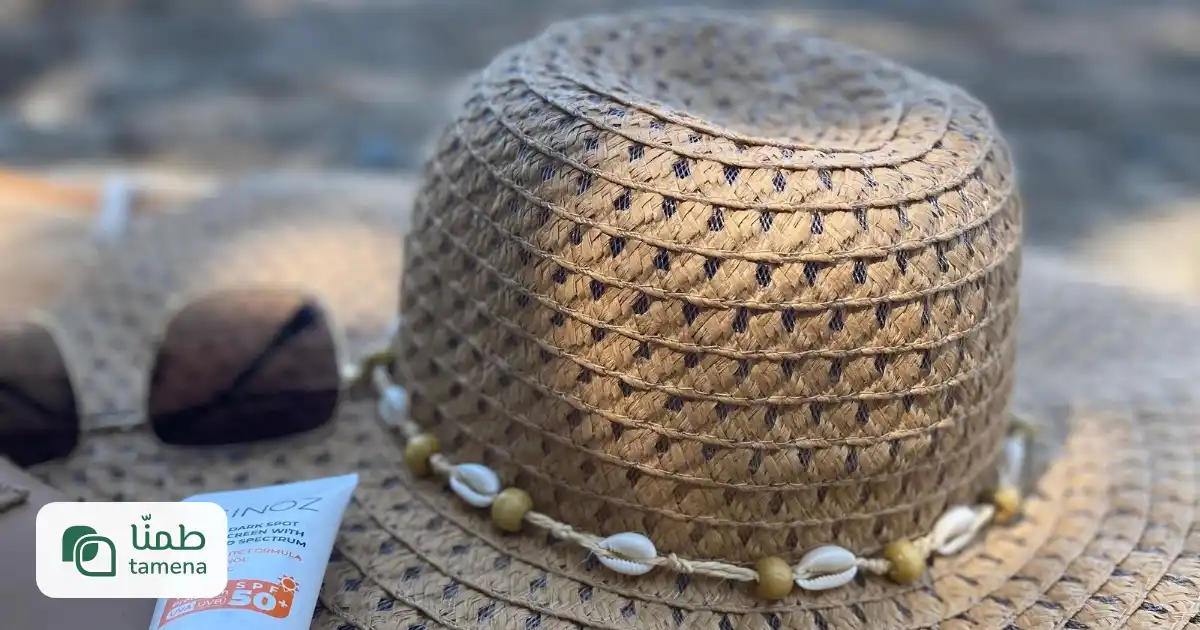
- A wide-brimmed hat and sunglasses.
- Light long sleeves in dark or tightly woven fabric.
- Avoid direct midday sun where you can.
- Look for shade outdoors.
Watch for hidden sources
UV passes through car and home windows, and reflects off sand and water. Consider protective window film if you drive a lot, and ask your doctor whether some indoor lighting affects you.
Your medicines and the sun
Some medicines make the skin more sensitive to sunlight. Ask your doctor or pharmacist about yours.
Vitamin D
Avoiding the sun can lower vitamin D. Ask your doctor about testing it and whether you need a supplement.
References
Content is for medical awareness and does not replace medical advice. In an emergency, contact emergency services immediately.